
A restaurant, a contracting company, and a law office all need a website. But they don't need the same website. The pages, the information up top, and even the goal of the site itself change depending on what kind of business is behind it.
Here's a practical breakdown of Utah website design by industry: what actually matters for a few of the most common types of local businesses, and what tends to get overlooked.
Restaurant Website Design
For a restaurant, the website's job is simple: answer the four questions a hungry person has before they've even finished reading the homepage. What's on the menu, where are you, what time do you close, and can I order online or do I need to call?
Restaurant web design in Utah tends to fail when it buries that information behind a flashy homepage slideshow or a PDF menu that doesn't load right on a phone. The menu should be real text on the page, not a scanned image, so it's actually readable and searchable. Hours, address, and a click-to-call number belong above the fold, not three clicks deep.
- Menu as real, readable text (not a PDF or image scan)
- Hours, location, and a map embed visible without scrolling
- Click-to-call and a link to your ordering platform, if you have one
- Photos of the food and the space, not stock imagery
For a deeper look at restaurant-specific website design, see restaurant website design in Utah.
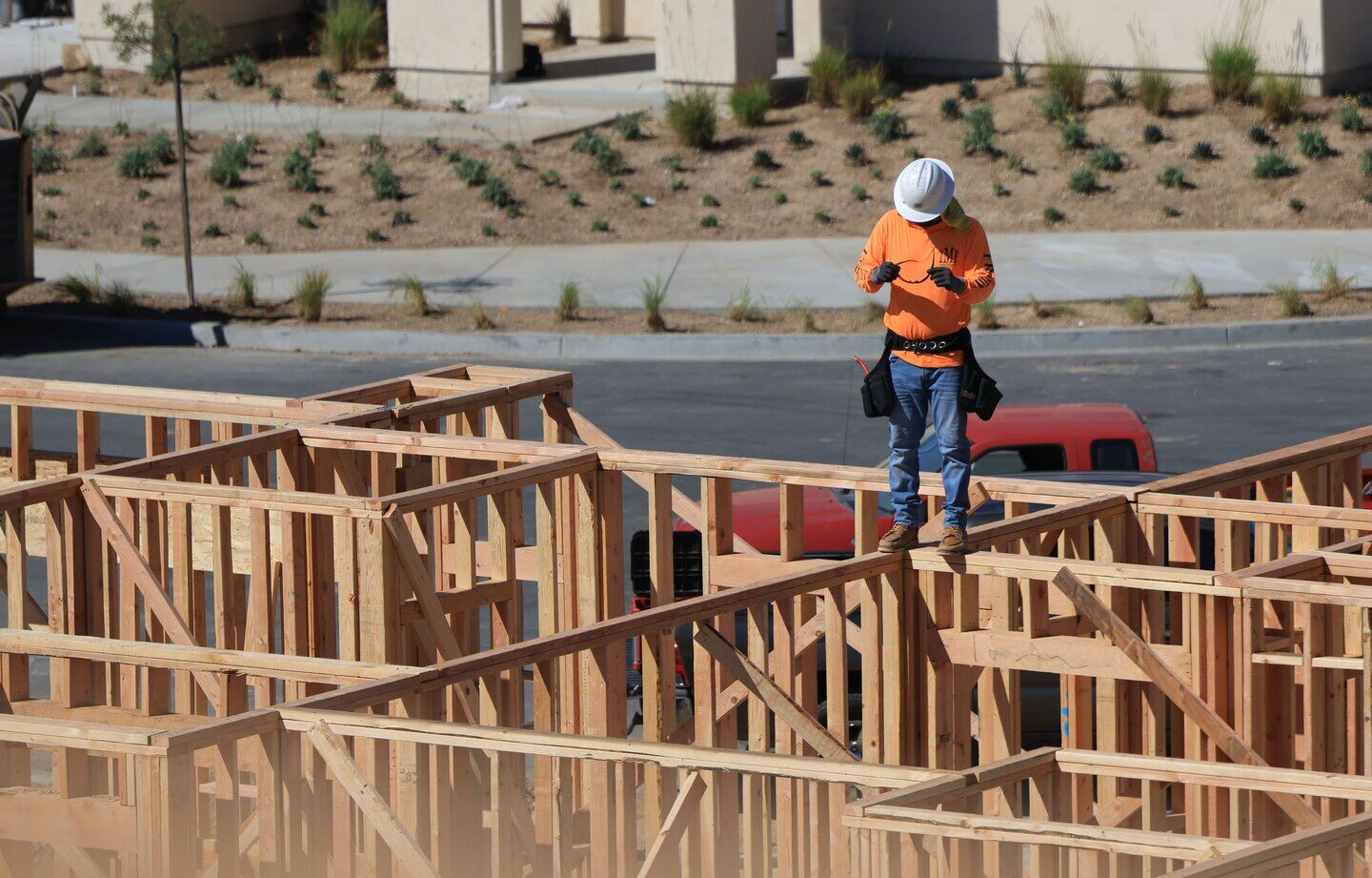
Contractor and Construction Website Design
A construction or contractor website's main job is proving you're legitimate and showing exactly what you do before someone calls for a quote. People hiring a contractor are often nervous about getting scammed or overcharged, so a clean, professional site does real work toward earning trust before the phone even rings.
Construction web design in Utah should lead with your service area and your specific trades, not a vague "we do it all" pitch. Before-and-after photos of real jobs matter more here than almost any other industry, since they're the clearest proof of quality a visitor can judge for themselves.
- Clear list of services and the cities or counties you serve
- Before-and-after project photos
- A simple quote request form, so leads don't have to call to get the process started
- Licensing or insurance info, if you have it, since it builds trust fast
For a deeper look at contractor-specific website design, see contractor website design in Utah.
Corporate and Professional Services Website Design
Law firms, accountants, consultants, and other professional offices are selling trust and expertise more than a product. The website's job shifts from "convince me to visit" to "convince me you're credible enough to hire." That changes what goes on the page.
Corporate web design in Utah tends to work best with a clear description of services offered, a straightforward team or about section, and some form of social proof: credentials, years in business, or client testimonials. Overly flashy design can actually work against a professional services site. Clean and credible beats trendy almost every time in this category.
- Clear service descriptions aimed at the client's problem, not just a list of jargon
- A team or about section that puts a real name and face behind the business
- Credentials, certifications, or client testimonials
- A straightforward way to request a consultation
Community and Nonprofit Website Design
Community organizations, churches, and nonprofits have a different goal again: get people to show up or give, not necessarily to buy. Community web design in Utah usually centers on an events calendar, clear information about how to get involved, and a simple, trustworthy way to donate if that applies.
- An events or schedule section that's easy to update
- A clear "how to get involved" or "how to give" call to action
- Photos that show the actual people and community, not generic stock imagery
Every Industry Still Needs Mobile-First Design
Whatever the industry, one thing doesn't change: most of your visitors are finding you on a phone. Mobile website design in Utah isn't an industry-specific concern, it's the baseline every one of the categories above needs to get right. A menu that doesn't load on a phone, a quote form that's hard to tap, or a donate button buried in a desktop-only layout all cost you the same way, regardless of what kind of business you run.
Every site I build starts mobile-first and works up to tablet and desktop from there, not the other way around, so none of these industry-specific features break on the device most people are actually using.
The Bottom Line
The $999 flat-rate build is the same across all of these categories, custom-designed, mobile-first, with on-page SEO and a contact form included. What changes is which sections and features actually matter for your type of business, and that's the part worth getting right before the site goes live.
Not seeing your exact industry above? Reach out anyway. See the full list of what's included on the pricing page, or learn more about the general approach on the small business web design page.
Get a website built for your industry
Every site starts at a flat $999, custom-designed and mobile-first, with the sections that actually matter for your type of business.
Let's Talk